
Set an alarm for Monday morning. Before sunrise on Nov. 2, the Moon drops in on red Mars and bright Jupiter, with the star Regulus hanging just below them. Four bright points in a short line, high in the sky, no gear needed. It's the week's best sight, and an easy one.
A quick note on the clock: daylight saving time ended on Nov. 1, so sunrise comes about an hour earlier on your clock than it did last week. Times below are local standard time for the middle of the U.S. (worked out for the Central time zone), and they'll be within a few minutes of that in most of the country.
Can you see the Moon, Mars and Jupiter tonight?
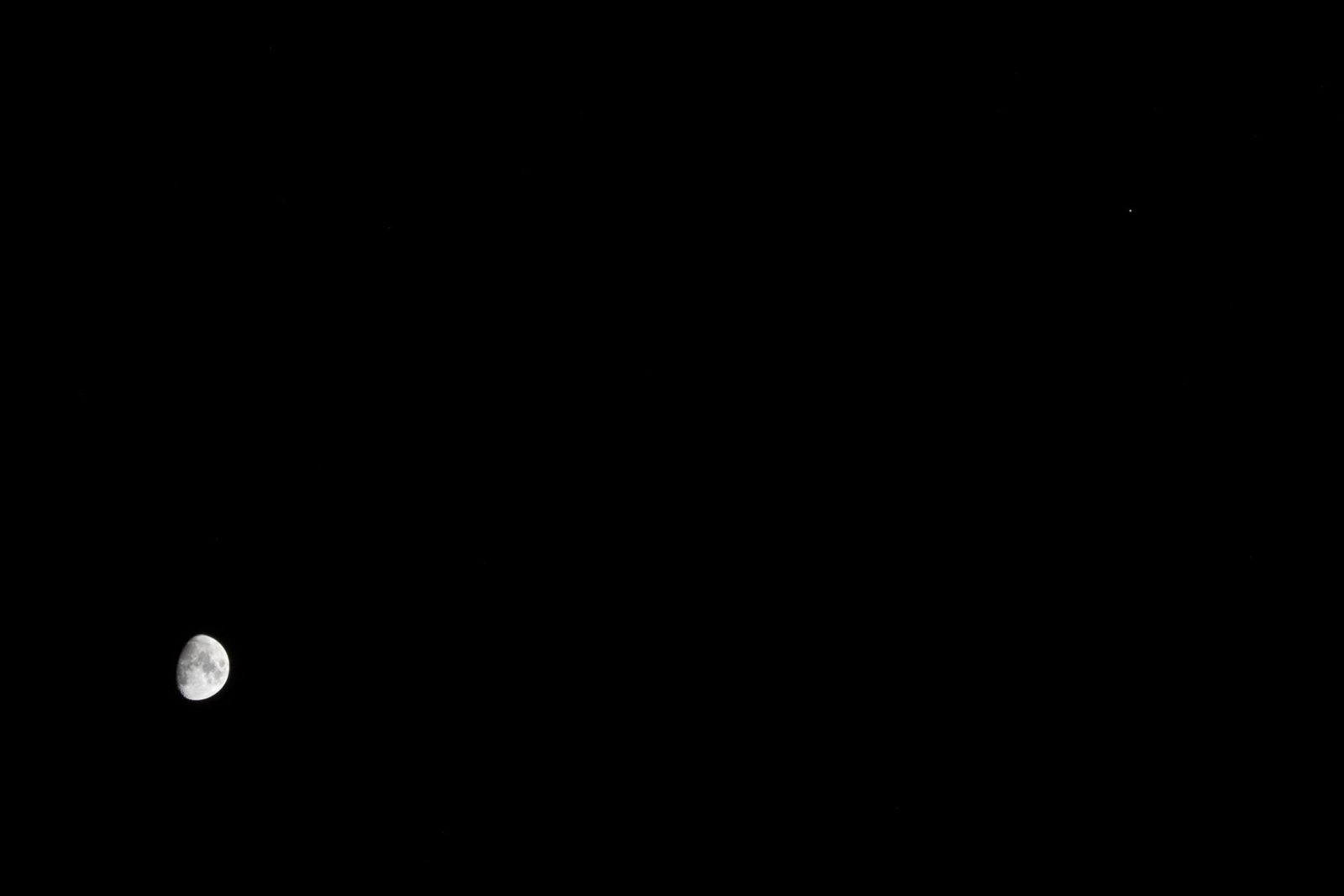
Yes, if "tonight" means early Monday. Go out around 5 to 5:30 a.m. and face southeast. Look about halfway up the sky. The Moon, a bit less than half lit, sits right beside Mars, which looks like a steady orange-red dot. Jupiter, the brightest "star" in that part of the sky, is a few finger-widths away, and Regulus, the heart of Leo the Lion, is the dimmer white point below.
Hold your fist out at arm's length. That's roughly 10 degrees. The whole group fits inside about one fist. Binoculars may show a couple of Jupiter's moons as tiny dots in a row.
Mars and Jupiter rise around midnight all week, so night owls can catch them low in the east before bed, too. Keep an eye on them: they're creeping toward each other and will be closest around Nov. 14–15.
This week's sky
Monday, Nov. 2 (before dawn): Moon, Mars, Jupiter and Regulus in a tight bunch in the southeast. The week's main event.
Tuesday, Nov. 3 (before dawn): The Moon has slid over to sit about 2 degrees from Regulus, as seen from most of North America. Jupiter and Mars are now above them. (From parts of South America, the Moon actually covers Regulus.)
Wednesday, Nov. 4: Mercury passes between Earth and the Sun, so it's out of sight this week. Venus is the blazing light low in the east-southeast before sunrise, rising around 5 a.m.
Wednesday night into Thursday, Nov. 4–5: The Southern Taurid meteor shower peaks. More on that below.
Friday, Nov. 6 (about 45 minutes before sunrise): A thin crescent Moon floats above Venus, very low in the east-southeast.
Saturday, Nov. 7 (about 45 minutes before sunrise): The prettiest pairing of the week, if your horizon cooperates. A razor-thin Moon, only about 3% lit, sits around 2 degrees from Venus, with the star Spica close by. They'll be less than 10 degrees up, so find a spot with a clear view to the east-southeast. Binoculars help you pick up the Moon in the brightening sky.
Sunday, Nov. 8 (before dawn): The Moon is gone, but Venus and Spica are now about a degree apart, and they'll be closest on Monday the 9th.
Every evening: Saturn. As soon as it's dark, look east to southeast for a steady golden "star" with no bright neighbors. By 8 p.m. it's roughly halfway up in the south-southeast, and it doesn't set until around 4 a.m.
Can you see the Taurid meteors?
You can, but go in with the right expectations. The Southern Taurids are a slow, gentle shower: maybe five meteors an hour from a dark place. What they lack in numbers they make up in drama. Taurid bits tend to be larger than average, so the shower is known for the occasional bright fireball that drifts across the sky.
The peak falls on the night of Wednesday, Nov. 4, into Thursday morning, though Taurids don't have a sharp peak and the nights on either side are nearly as good. The meteors seem to come from Taurus, which climbs in the east during the evening and is highest around midnight. The good news this year: the Moon is a thin crescent that doesn't rise until the early-morning hours, so the sky stays dark for most of the night. Get away from streetlights, give your eyes 20 minutes to adjust, and look anywhere overhead.
What bright star cluster should you find this week?
While you're out for the Taurids, look east after about 8 p.m. for a tiny, misty dipper of stars. That's the Pleiades, also called the Seven Sisters. Most people see six stars with their eyes. Binoculars turn it into a sparkling handful of blue-white stars, and it's one of the best binocular views in the whole sky. Below and to the right, the orange star Aldebaran marks the eye of Taurus the Bull.
When is the next new Moon and full Moon?
The Moon hit last quarter on Sunday afternoon, Nov. 1, at 2:28 p.m. CST, and it shrinks all week toward new Moon at 1:02 a.m. CST on Monday, Nov. 9. The next full Moon is on Nov. 24.
Why this matters
This is the kind of week where the sky does the hard part for you. Monday's lineup is high and easy to spot from a city driveway. Saturday's crescent near Venus asks a little more of you: an early alarm and a clear horizon. Watching the Moon slide past a planet, then a star, then another planet over a few mornings is how early skywatchers worked out that the Moon and planets all travel the same path through the stars. You can see that motion for yourself this week with nothing but your eyes and a cup of coffee.
Sources
Enjoyed this? Ancient Skies is free and made by one space fan. Buy me a coffee ☕
Keep reading
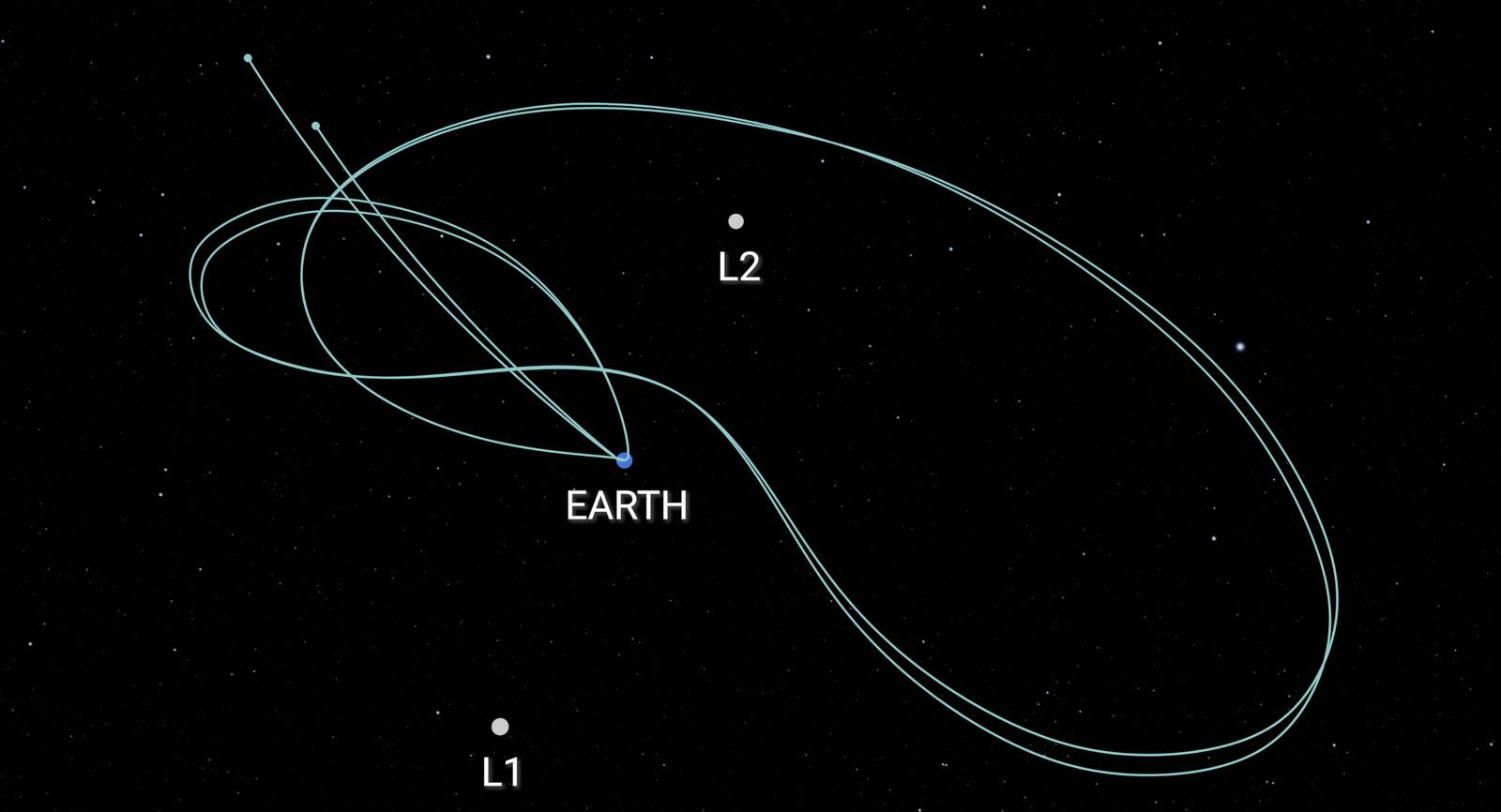
Why NASA's ESCAPADE Mars Twins Are Swinging Back Past Earth This Week
NASA's twin ESCAPADE probes return to Earth Nov. 7 and 9 for a slingshot engine burn that sends them to Mars. Here's how it works and how to spot them.
November 3, 2026 · 5 min read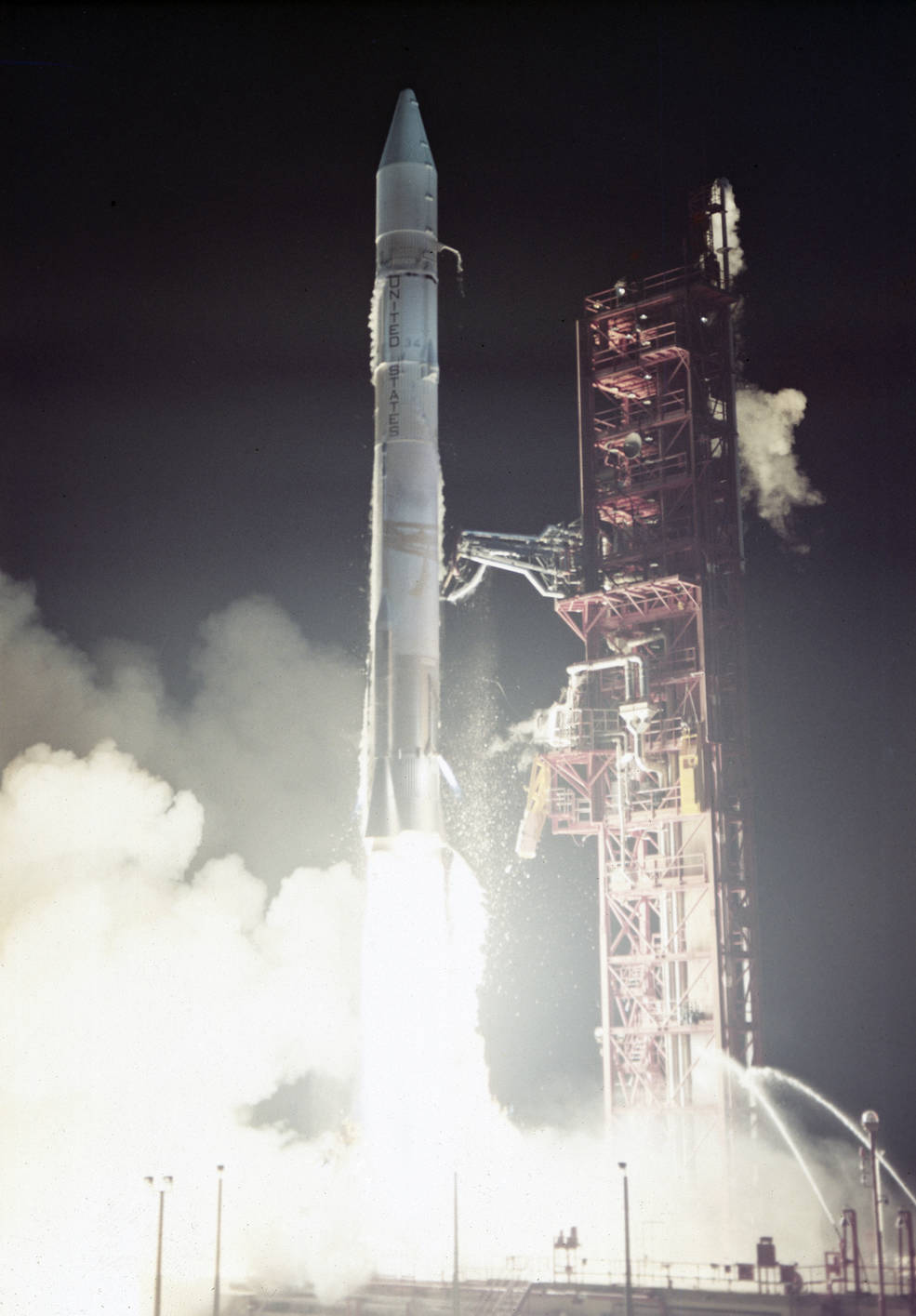
Today in Space History, Nov. 3: Mariner 10 Heads for Mercury by Way of a Venus Slingshot
On Nov. 3, 1973, NASA launched Mariner 10, the first probe to visit Mercury and the first to use one planet's gravity to reach another.
November 3, 2026 · 3 min read