


Prefer to watch? This is the full video version of the story.
Imagine you're flying a brand-new spaceship toward the International Space Station. It's the very first time anyone has ever flown it with people on board. You're almost there.
And then, one by one, the thrusters start shutting off.
That's exactly what happened to NASA astronaut Butch Wilmore in June 2024. Later, he admitted what was going through his head in that moment: he wasn't sure they could even get back to Earth.
"I'm thinking we probably can't."
They were supposed to be gone for about a week. They ended up spending 286 days in space. The cause comes down to a tiny plastic seal, a little too much heat, and a decision NASA would later admit was a big mistake.
Two companies, one race
After the Space Shuttle retired in 2011, America had no way to launch its own astronauts. For years, NASA paid Russia for seats on Soyuz rockets.
So in 2014, NASA hired two companies to build new rides to the space station. Boeing got about $4.2 billion. SpaceX got about $2.6 billion.
Here's what surprises people: Boeing was the safe bet. It was the company with decades of experience, the one that helped build the space station in the first place. SpaceX was the newcomer.
But SpaceX flew astronauts first, in 2020. Boeing's first uncrewed test in 2019 had a clock error so bad that the capsule burned through too much fuel and never made it to the station. It took a second uncrewed try in 2022 to finally get there. So by 2024, Starliner was years behind, and its first flight with people on board was a really big deal.
The approach
On June 5th, 2024, Wilmore and Suni Williams launched on Starliner from Florida. It had already been delayed for weeks, partly because of a small helium leak. Helium is what pushes the fuel through the thruster system, and NASA decided the leak was small enough to fly with.
Once they were in orbit, more leaks showed up. The next day, as they got close to the space station, the real problems started. Starliner's computer began switching off thrusters, one after another, because they weren't putting out the push they were supposed to.
Wilmore was flying the capsule by hand at that point, and he later described the controls as sluggish. They'd lost enough thrusters that one more failure would have left them without full control. By the flight rules, they were supposed to back away from the station.
That's when Wilmore had the thought he'd later share: if they couldn't control the ship well enough to dock, could they even control it well enough to get home?
What he didn't know was that flight controllers on the ground were already talking about waiving that rule. They reset the thrusters remotely, got most of them working again, and Starliner docked. They'd made it. But now nobody was sure the ship could bring them home.
The tiny seal that started it all
Starliner's maneuvering thrusters are packed into little housings on the side of the spacecraft. Engineers call them doghouses. When the thrusters fire over and over, heat builds up inside those doghouses.
To figure out what was going on, NASA fired a test thruster again and again on the ground at White Sands in New Mexico, copying what happened in space. They reproduced the problem.
When they took the thruster apart, they found the culprit. Inside a valve part called a poppet, there's a seal made of Teflon. As it heated up, it swelled and squeezed out of shape, and that swollen seal choked off the flow of propellant. No fuel flow, no thrust.
A small piece of plastic that couldn't take the heat put a whole spacecraft in doubt. And NASA warned that the same thing could happen during the burn that slows the capsule down to come home. Add in the helium leaks, and the ship might not be able to point itself the right way at the worst possible moment.
The decision
For most of the summer, Boeing argued that Starliner was safe to fly the crew home. NASA wasn't convinced.
On August 24th, 2024, NASA made the call: Starliner would come home empty. Boeing wasn't even in the room for the final briefings where that decision was made.
In September, Starliner undocked by itself and landed in New Mexico. It made it, but NASA's investigation later found it had more propulsion problems on the way down. If one more thing had failed, there was no backup.
Were they really stranded?
Here's the part the headlines got wrong. Wilmore and Williams were never really stranded. NASA had a way to get them home the whole time.
In September 2024, NASA launched its next SpaceX crew, Crew-9, with only two astronauts instead of the usual four. Two seats were left empty, just for them, and from then on that Dragon capsule was docked at the station as their ride home.
So why nine months? Instead of a special rescue, they simply joined the normal crew rotation. They'd come home whenever Crew-9 did, which was planned for February 2025. Then the next crew got delayed so SpaceX could finish a brand-new Dragon capsule, and that pushed everything back to March.
They didn't exactly sit around waiting, either. Williams took command of the space station for months and did spacewalks with Wilmore. By the end of the mission, she'd logged 62 hours of spacewalking across her career, more than any other woman in history.
Coming home
On March 18th, 2025, the Dragon capsule splashed down in the Gulf of Mexico, off the coast of Tallahassee, Florida.
When the capsule hit the water, they got a welcoming party nobody planned: a pod of dolphins showed up and started circling the capsule while the recovery team got to work. Crew-9 commander Nick Hague summed up the mood by describing a capsule full of ear-to-ear grins.
So what was the real mistake?
You'd think the story ends there. Seal fixed, astronauts home, everybody moves on.
But in February 2026, NASA released the full report from its independent investigation, and it officially labeled the flight a Type A mishap. That's NASA's most serious category, the label for an event that could have killed someone or that causes huge damage. NASA administrator Jared Isaacman said the costs blew past the $2 million threshold for that label about a hundred times over.
And the report didn't just blame a seal. It found that the thruster problems weren't fully understood before the flight, but the mission was cleared to fly anyway. It found that NASA wanted a second company flying astronauts so badly that the pressure to make Starliner succeed went beyond reasonable bounds. People described yelling in meetings, concerns getting brushed aside, and engineers staying quiet because they figured nobody would listen.
That's the real mistake. Not just a piece of Teflon that got too hot, but warning signs that were there and got pushed through.
When the report came out, NASA associate administrator Amit Kshatriya talked about Wilmore and Williams, and he said something space agencies almost never say out loud:
"We failed them."
The report ended with 61 recommendations for NASA and Boeing, covering the hardware, the management, and the culture.
Where things stand now
Both astronauts have since left NASA. Wilmore stepped away in the summer of 2025. Williams retired at the end of that year, after more than 27 years at NASA and 608 days in space across three missions.
And Starliner isn't done yet. Boeing is replacing thruster valves, redesigning those poppets, and changing how the thrusters are used so they don't overheat. The next flight is planned for around the end of 2026, with no one on board. If that goes well, NASA hopes to fly astronauts on it again around 2028.
So the spaceship that left two astronauts stuck for nine months might still get its second chance. This time, with a lot more people allowed to speak up.
Your turn: if you were in Butch Wilmore's seat, with the thrusters dropping out and the station right in front of you, would you have docked, or backed away? Tell us in the comments on the video.
Keep reading
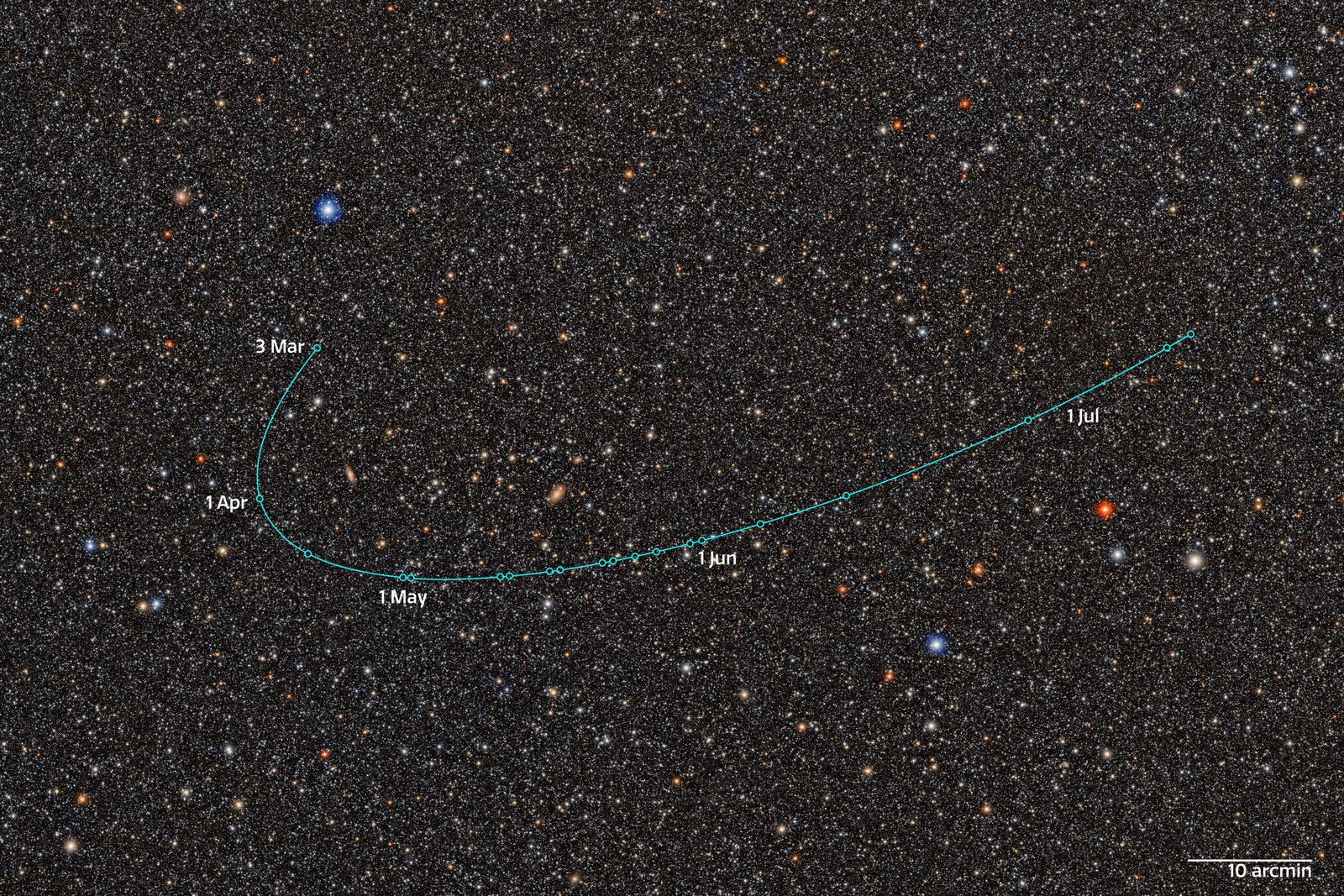
A Possible New Dwarf Planet Just Turned Up Beyond Pluto. Meet 2026 ED138
The Rubin Observatory's first dwarf planet candidate was hiding in front of the Milky Way. Here's what we know about 2026 ED138, and what's still hype.
October 28, 2026 · 3 min read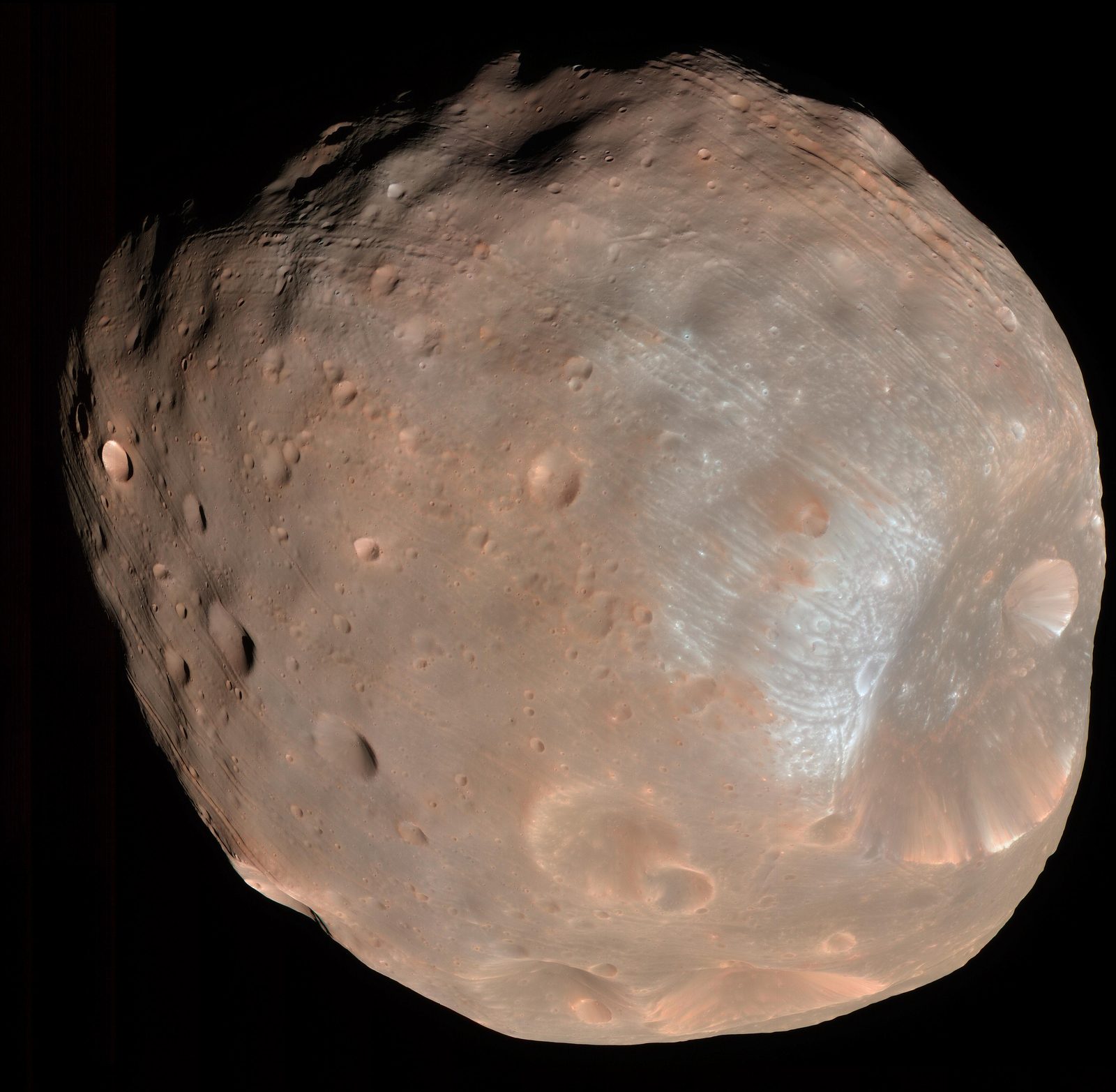
Japan's MMX Launches to Bring Home a Piece of Phobos, Mars's Doomed Moon
JAXA's MMX is headed for Phobos, the Martian moon that's slowly falling. If it works, it'll be the first sample ever returned from the Mars system.
October 28, 2026 · 3 min read