

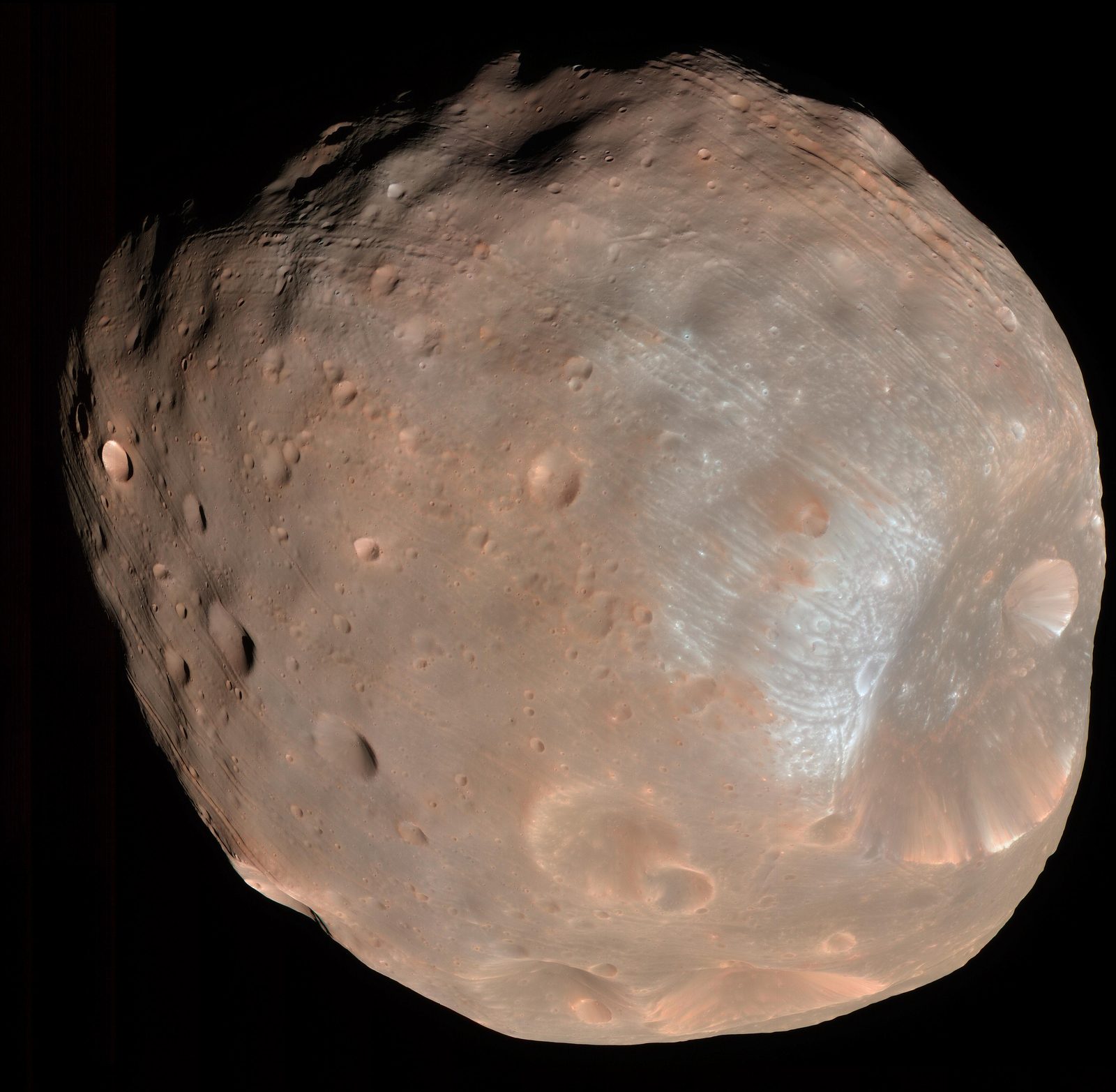
Mars has a moon that's falling out of the sky. Not fast, just a few feet every century, but it's doomed all the same. And nobody knows for sure where it came from.
Japan just launched a spacecraft to go grab a piece of it and bring it home.
What happened
On October 20, 2026, at 4:41 a.m. Japan time, the Japan Aerospace Exploration Agency (JAXA) launched its Martian Moons eXploration mission, or MMX, on an H3 rocket from the Tanegashima Space Center. The spacecraft separated from the rocket about 17 minutes later and is now on its way to Mars.
The plan, if everything goes right:
- 2027: arrive at Mars after about a year of travel, then settle into a close orbit around Phobos, the larger of Mars's two moons.
- 2027 to 2030: study Phobos up close, drop a small rover called IDEFIX built by Germany and France, and land on Phobos twice to scoop up at least 10 grams of its surface. It'll also take a look at Mars's other moon, Deimos.
- 2031: fly back to Earth and drop the sample capsule into the desert at Woomera, in South Australia.
The European Space Agency is helping too, supplying MMX's deep-space radio equipment and tracking it with its ground stations.
If it works, MMX will be the first spacecraft to orbit Phobos, the first to sample its surface, and the first ever to bring a sample back from anywhere in the Mars system.
Meet Phobos, the doomed moon
Phobos is tiny and strange. It's lumpy, about 17 by 14 by 11 miles (27 by 22 by 18 km), more like a potato than a planet. It orbits Mars three times a day, so close to the surface that from some places on Mars you can't always see it.
It's also creeping closer, about 6 feet (1.8 meters) every hundred years. At that rate, NASA says, in about 50 million years it will either crash into Mars or get torn apart into a ring.
And then there's the mystery. Phobos and Deimos look a lot like a certain kind of dark, carbon-rich asteroid. So one idea is that they're asteroids Mars captured long ago. The trouble is that captured asteroids usually end up in tilted, lopsided orbits, and both moons circle neatly around Mars's equator. The other big idea is that something huge slammed into Mars and the debris collected into moons, the way scientists think our own Moon formed. There are hybrid versions of both stories too.
Why this matters
Photos and flybys can only tell you so much. A real sample, studied in labs on Earth, can settle the argument. If the dirt from Phobos looks like Mars, the giant-impact idea wins. If it looks like an asteroid, capture wins. Either way, we'd learn something about how planets like Mars, and maybe Earth, got their water and other ingredients for life, which is one of the mission's official goals.
The bigger picture is that a round trip to Mars and back is something no country has pulled off yet, even with a robot. MMX would be the first. And if any team can do it, it's this one. JAXA's Hayabusa brought back pieces of asteroid Itokawa in 2010, and Hayabusa2 returned samples from asteroid Ryugu in 2020. Grabbing dirt from a tiny world and flying it home is basically their specialty.
There's also something kind of poetic about it. Phobos won't be around forever. We're going to read its story before it falls.
What's next
- MMX is in its long cruise to Mars, due to arrive in 2027.
- The landings on Phobos come later, with sample collection planned during the 2027 to 2030 stay.
- The sample capsule is due back on Earth in 2031.
If you could ask Phobos one question, what would it be: captured asteroid, or a chunk of Mars itself?
Sources
Keep reading
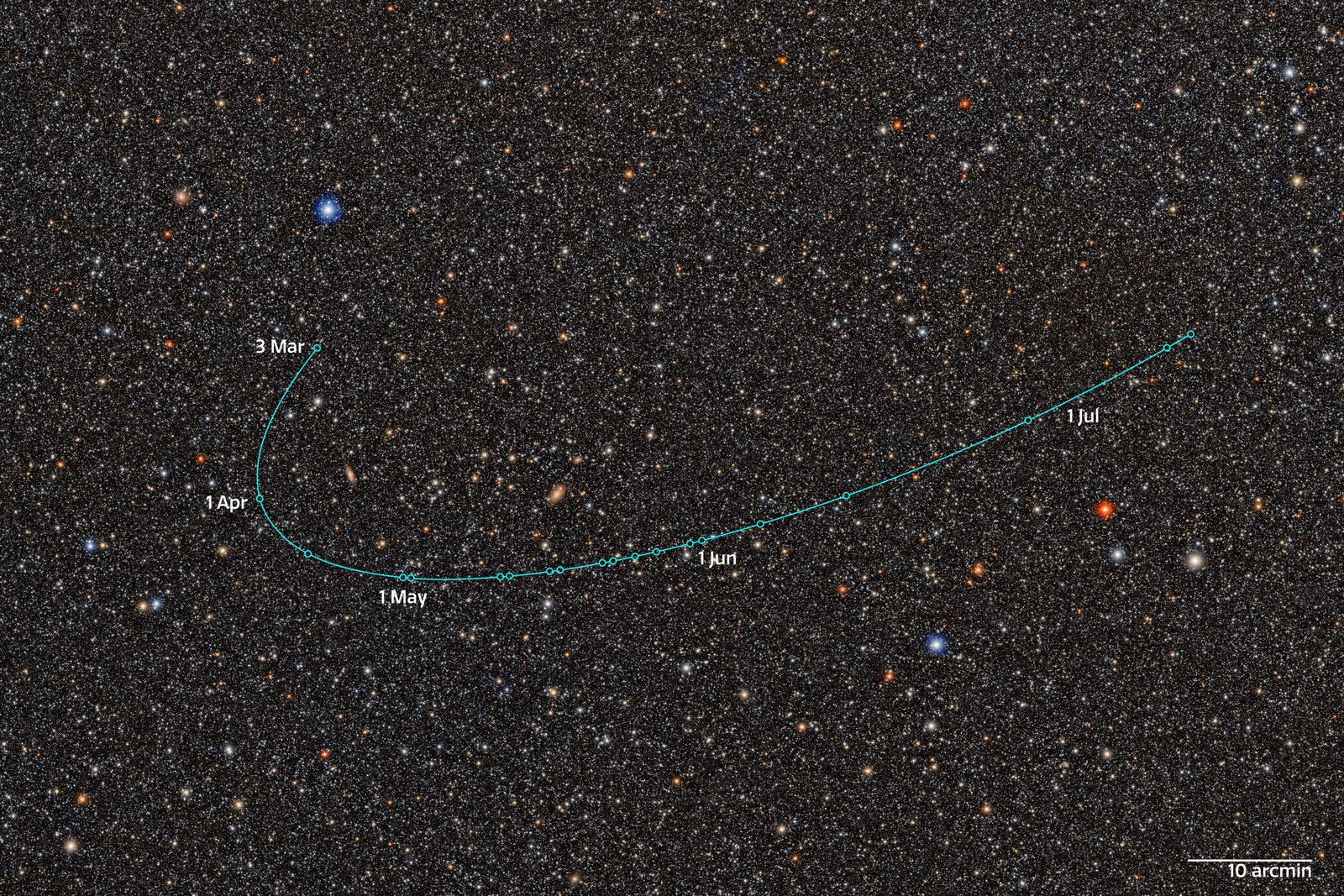
A Possible New Dwarf Planet Just Turned Up Beyond Pluto. Meet 2026 ED138
The Rubin Observatory's first dwarf planet candidate was hiding in front of the Milky Way. Here's what we know about 2026 ED138, and what's still hype.
October 28, 2026 · 3 min read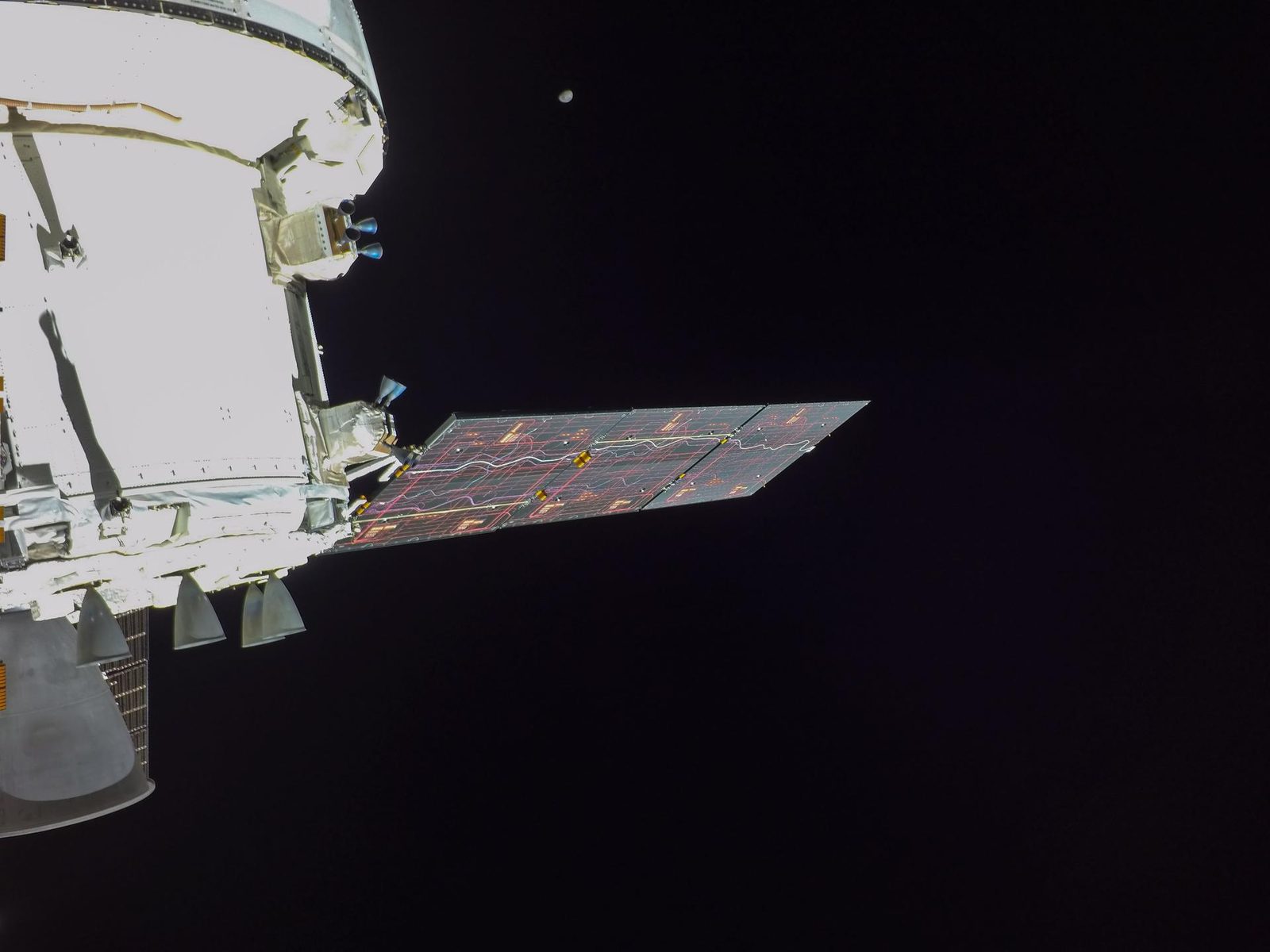
Artemis I's Test Dummies Flew Around the Moon. Their Radiation Results Surprised Scientists
Crystals that rode inside Artemis I's test dummies show radiation near the Moon is higher than in Earth orbit, but by far less than expected.
October 28, 2026 · 4 min read