
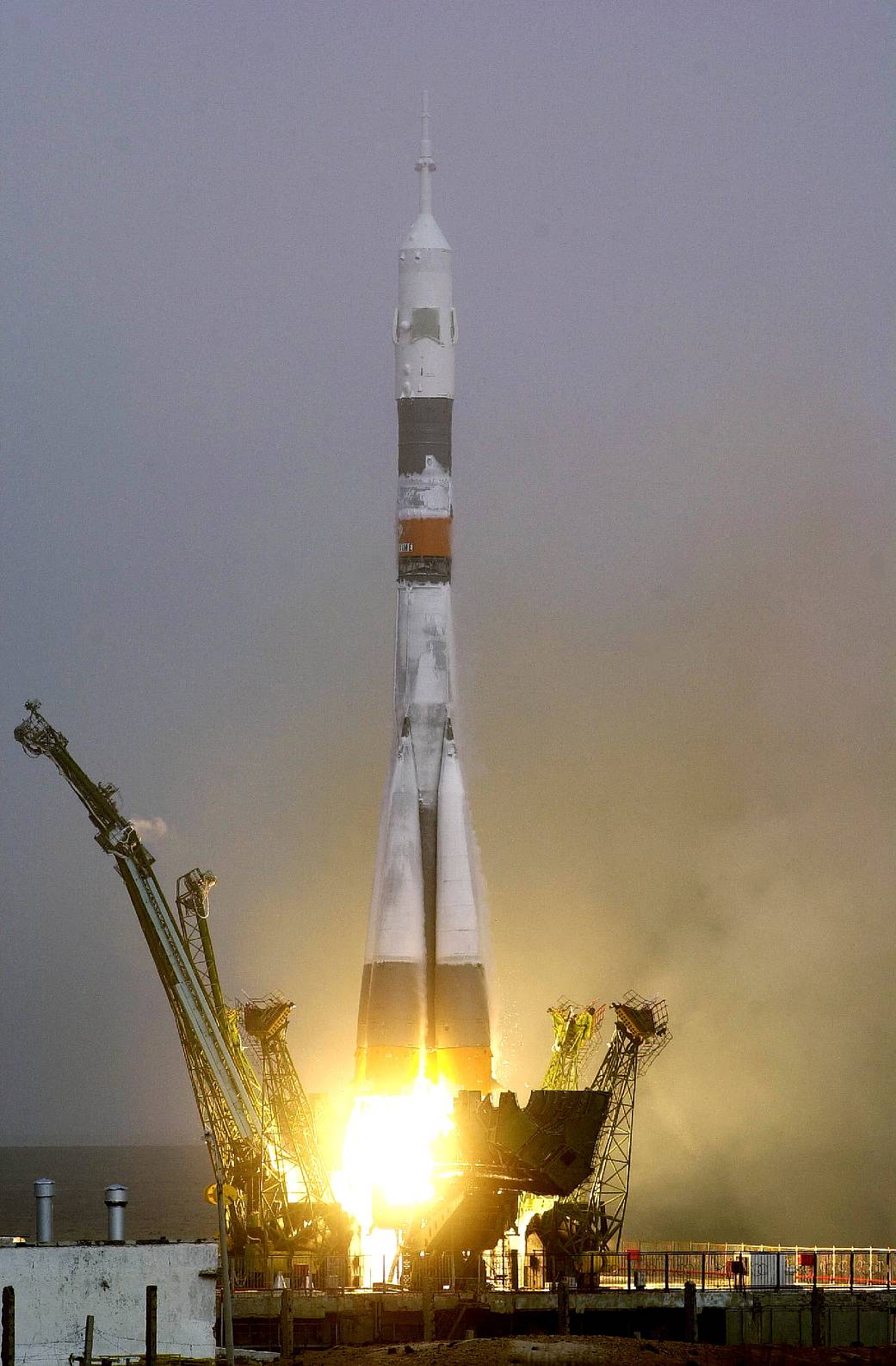
On October 31, 2000, a Soyuz rocket lifted off from Kazakhstan carrying the first crew ever to live on the International Space Station. Two days later they floated aboard, and something started that hasn't stopped since: there have been people living in space every single day for 26 years.
If you're under 26, there has never been a day in your life when no human was off the planet.
What was Expedition 1?
Expedition 1 was the first long-stay crew of the International Space Station (ISS). The Soyuz TM-31 spacecraft launched from the Baikonur Cosmodrome in Kazakhstan at 10:53 a.m. local time on October 31, 2000, and docked with the station on November 2. The crew asked to use the radio call sign "Alpha" for the station, and it stuck for the whole mission.
Who was on the first space station crew?
- Bill Shepherd (NASA), the station commander and a former Navy SEAL.
- Yuri Gidzenko (Russia), who commanded the Soyuz spacecraft that got them there.
- Sergei Krikalev (Russia), a veteran who had already spent many months aboard the Soviet space station Mir.
An American and two Russians, sharing a home a few years after the Space Race ended, was a big part of the story at the time.
What was the station like when they arrived?
Nothing like today. The ISS was just three modules: Zarya, the very first piece; Unity, a connecting node; and Zvezda, the Russian module where the crew actually lived. There wasn't enough power to heat all three, so Unity sat cold and unused for about the first month.
The first weeks were about switching things on: life support, computers, and unpacking supplies. Even small things were a struggle. The food warmer in Zvezda's galley was supposed to take half an hour to set up and took about a day and a half.
While they were aboard, space shuttles delivered big upgrades, including huge solar arrays and, in February 2001, the U.S. Destiny laboratory. After 136 days on the station, the crew came home on the Space Shuttle Discovery, landing at night in Florida on March 21, 2001.
How long have people lived on the ISS?
Since the Expedition 1 crew arrived on November 2, 2000, the station has never been empty. Crews have rotated in and out, always overlapping, for more than a quarter of a century. Today's station is about the size of a football field, including its solar panels, and has hosted astronauts from many countries.
Can you see the space station?
Yes, with just your eyes. The ISS looks like a very bright, steady star sliding across the sky in a few minutes, with no blinking lights. It's best seen shortly after sunset or before sunrise, when the station is still lit by the Sun but your sky is dark. NASA's free Spot the Station site tells you when it will fly over where you live.
Why this matters
Expedition 1 turned spaceflight from short trips into a place people live. Almost everything we know about how the human body handles months in weightlessness, from bone and muscle loss to eyesight changes, comes from crews on the ISS. That knowledge is exactly what future missions to the Moon and Mars depend on.
And it won't last forever. NASA plans to retire the ISS around 2030 and guide it down into a remote part of the Pacific Ocean. So the streak that started on this day in 2000 is one of those things worth appreciating while it's still going.
When you look up tonight, there's a good chance someone is up there looking back down.
Sources
Enjoyed this? Ancient Skies is free and made by one space fan. Buy me a coffee ☕
Keep reading
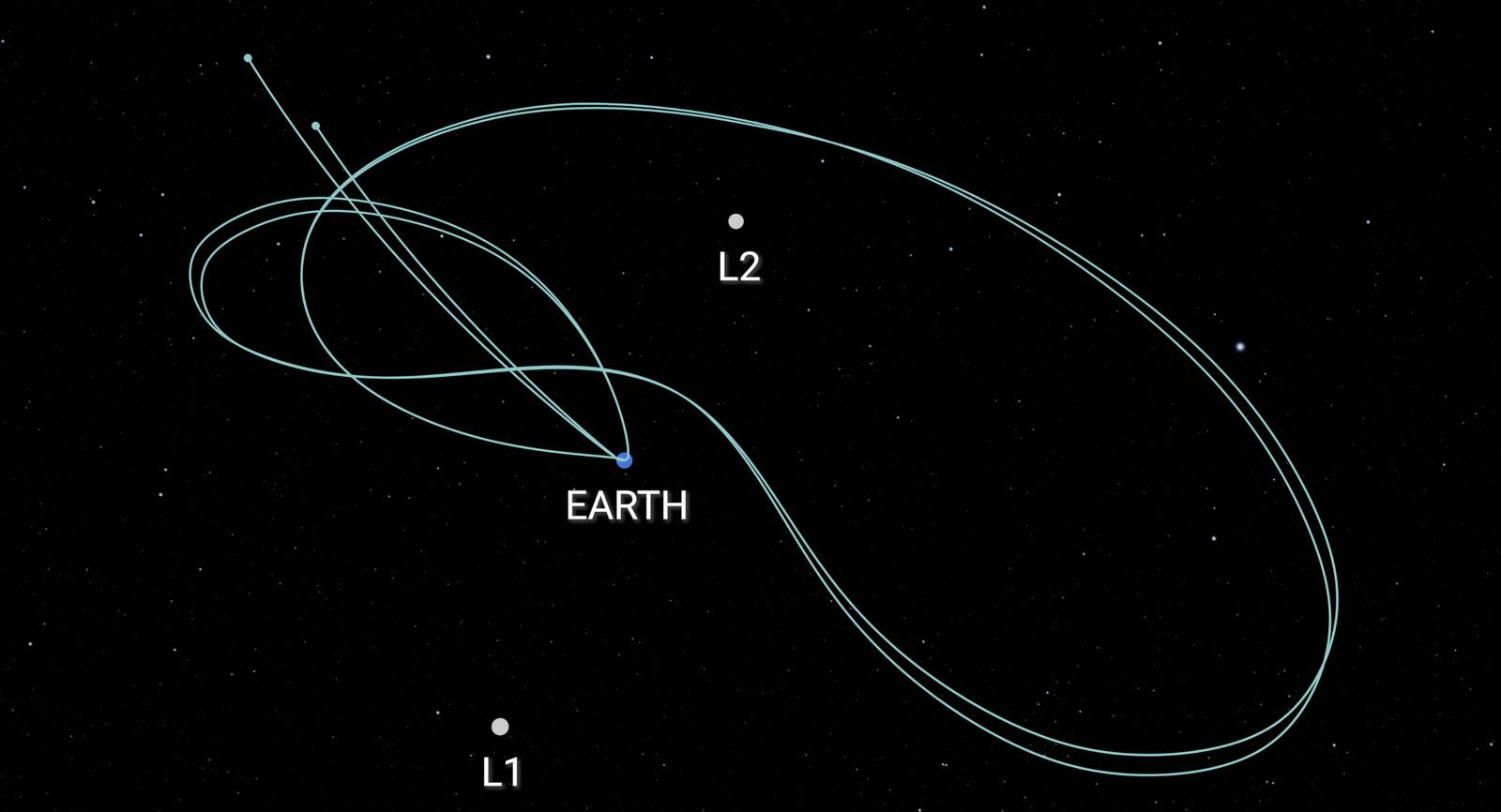
Why NASA's ESCAPADE Mars Twins Are Swinging Back Past Earth This Week
NASA's twin ESCAPADE probes return to Earth Nov. 7 and 9 for a slingshot engine burn that sends them to Mars. Here's how it works and how to spot them.
November 3, 2026 · 5 min read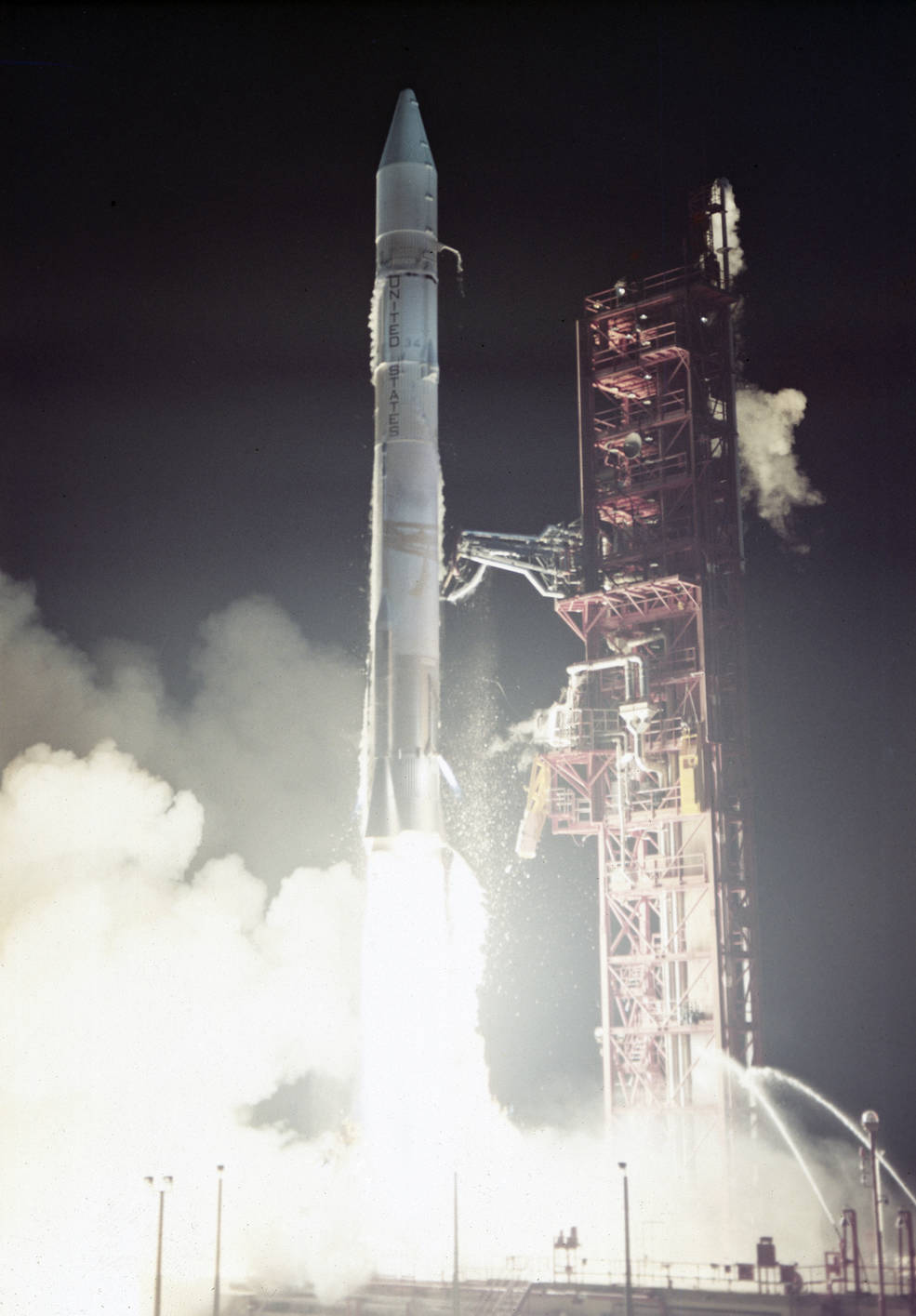
Today in Space History, Nov. 3: Mariner 10 Heads for Mercury by Way of a Venus Slingshot
On Nov. 3, 1973, NASA launched Mariner 10, the first probe to visit Mercury and the first to use one planet's gravity to reach another.
November 3, 2026 · 3 min read