

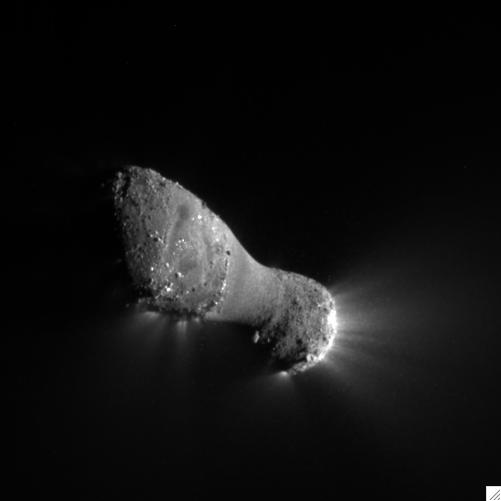
On the morning of Nov. 4, 2010, a NASA spacecraft that had already smashed a hole in one comet went looking for a second. It found something that looked less like a dirty snowball and more like a peanut shooting fizzy jets into space.
The comet was Hartley 2. The spacecraft was Deep Impact, flying a bonus mission called EPOXI. And the pictures it sent home were some of the strangest comet portraits anyone had ever seen.
What happened on Nov. 4, 2010?
At about 10 a.m. EDT (9 a.m. Central), Deep Impact zipped past the icy core of comet 103P/Hartley, better known as Hartley 2. At closest approach it was only about 435 miles (700 km) from the nucleus, moving at roughly 27,560 mph (12.3 km per second) relative to the comet.
That's fast enough that the whole close encounter was over in minutes. The spacecraft snapped away with its cameras, then turned its antenna back toward Earth to beam the images across about 23 million miles of space to NASA's Deep Space Network.
What is EPOXI?
Deep Impact launched in January 2005 with one job: fire a copper impactor into comet Tempel 1 and watch what flew out. It pulled that off on July 4, 2005, with the fireworks timed for Independence Day.
The main spacecraft survived just fine, so NASA gave it a second career. The new mission got a mashed-up name, EPOXI, from its two parts: EPOCh, which watched distant stars for planets, and DIXI, the Deep Impact Extended Investigation, which was the trip to Hartley 2. No impactor this time. Just a very close look.
What does comet Hartley 2 look like?
Weird, in the best way. The nucleus is about 1.2 miles (2 km) long and pinches in to only about a quarter mile (0.4 km) wide at its "neck." People compared it to a peanut, a bowling pin and even a pickle. EPOXI project manager Tim Larson described it as something like a cross between a bowling pin and a pickle, based on radar views taken before the flyby.
The ends of the comet are rough and lumpy, while the narrow middle looks surprisingly smooth. And streaming off it, especially from the rough ends, were bright jets of gas and dust lit up by the Sun.
Why was Hartley 2 such a surprise?
For a small comet, Hartley 2 is hyperactive. It throws off far more material than its size suggests it should.
The flyby revealed why. Its jets were driven largely by carbon dioxide, the same stuff as dry ice, rather than plain water vapor alone. As frozen CO2 turns straight to gas, it drags chunks of ice and dust out with it. Some of that ice then fizzes away in the space around the comet, adding to the haze.
Even better, the pictures were sharp enough that scientists could tie individual jets to specific spots on the surface. Mission leader Michael A'Hearn of the University of Maryland said Hartley 2 beat expectations for both its science and its "stark majestic beauty."
How many comets had spacecraft visited before?
Hartley 2 was only the fifth comet nucleus ever seen up close by a spacecraft. Before it came Halley (1986), Borrelly (2001), Wild 2 (2004) and Tempel 1 (2005). It was also the first time the same cameras had imaged two different comets, which made side-by-side comparisons much easier.
Who discovered comet Hartley 2?
Astronomer Malcolm Hartley found it on March 15, 1986, using a Schmidt telescope at Siding Spring Observatory in Australia. The comet loops around the Sun about every six and a half years.
Can you see comet Hartley 2?
Not right now. In October 2010, Hartley 2 passed about 11 million miles from Earth, close by comet standards, and briefly became a faint, fuzzy patch that sharp-eyed observers could spot from dark skies. Most of the time it's far too dim for anything but a telescope. It swings back near the Sun roughly every six and a half years, so backyard astronomers with a good scope can catch it on its returns.
Why this matters
Comets are leftovers from when the planets formed, little time capsules of the early solar system's ice and dust. A'Hearn put it simply: understand comets really well, and they tell you how the planets got made.
Hartley 2 showed that comets aren't all the same. Some are powered by water, some by dry ice, and a small one can be shockingly busy. That lesson carried into later missions, like ESA's Rosetta, which orbited comet 67P for two years starting in 2014 and found another oddly shaped, two-lobed nucleus.
It's also a nice reminder about getting the most out of a spacecraft. Deep Impact had already finished its main job. Instead of switching it off, NASA pointed it at a new target and got a whole second mission's worth of discoveries. Not bad for a probe on overtime.
Sources
Enjoyed this? Ancient Skies is free and made by one space fan. Buy me a coffee ☕
Keep reading
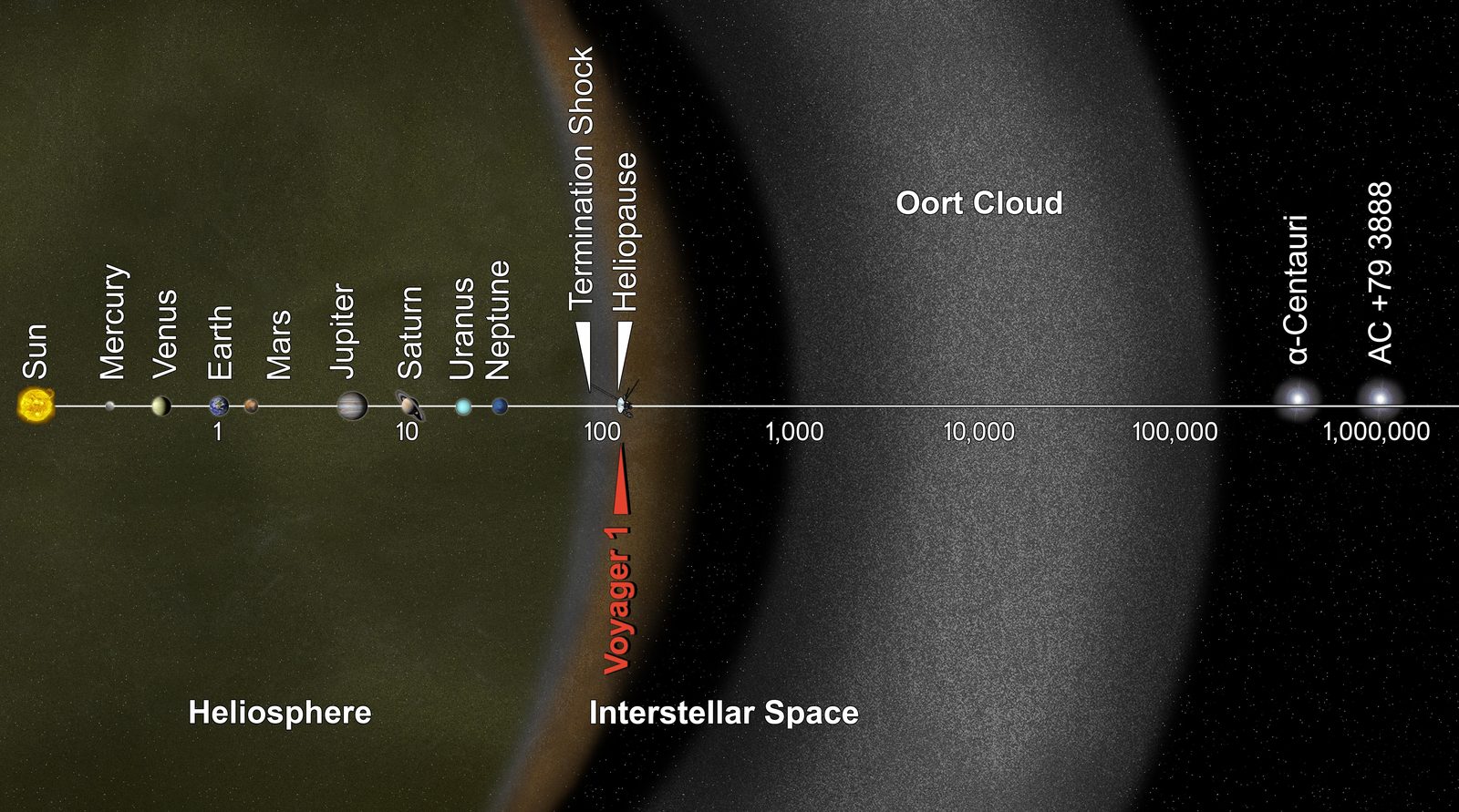
Voyager 1 Hits One Light-Day From Earth on Nov. 18. Saying Hello Now Takes 2 Days
On Nov. 18, NASA's Voyager 1 becomes the first spacecraft one light-day from Earth: 16.1 billion miles, where a radio message takes 24 hours.
November 4, 2026 · 5 min read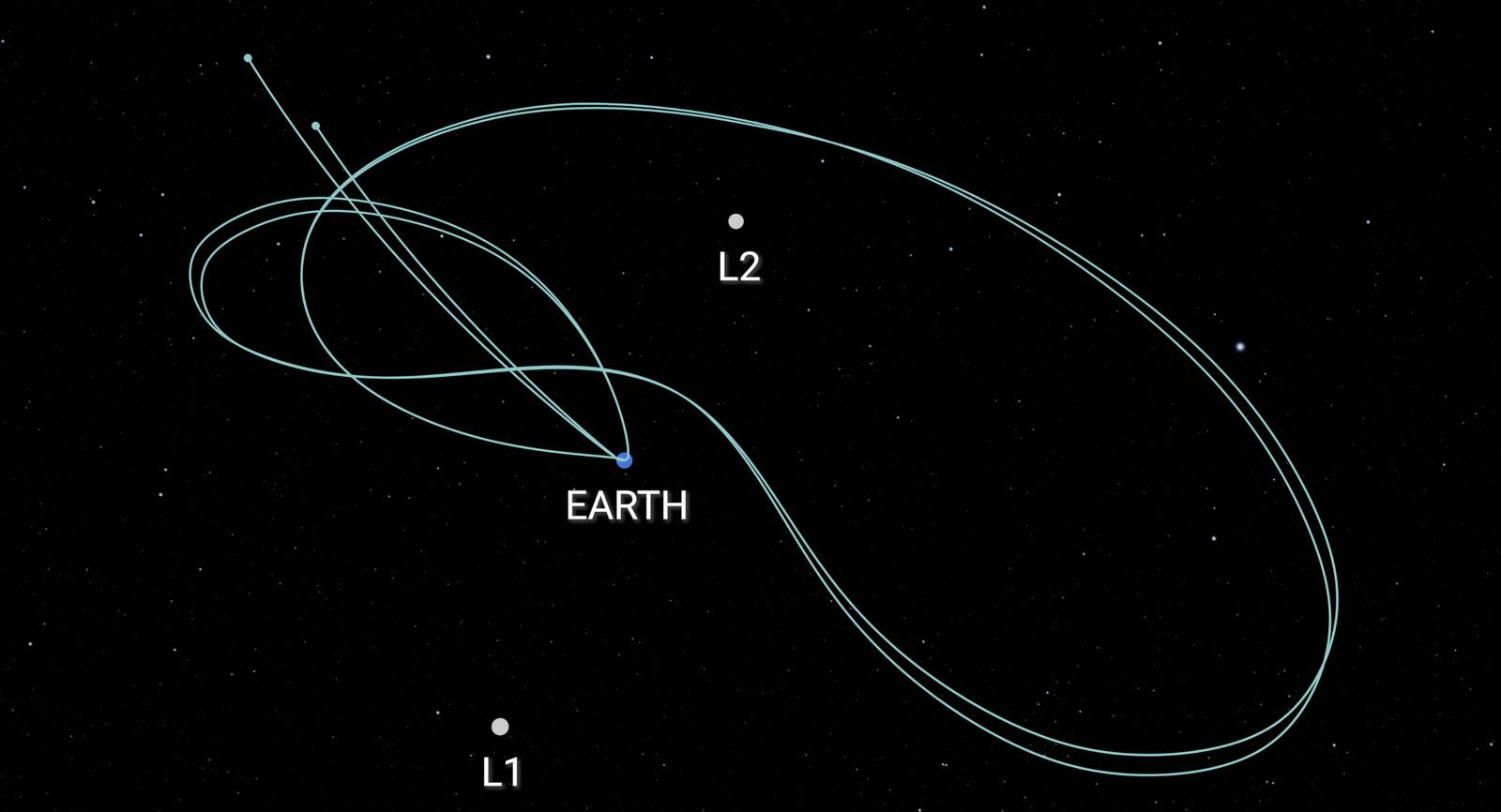
Why NASA's ESCAPADE Mars Twins Are Swinging Back Past Earth This Week
NASA's twin ESCAPADE probes return to Earth Nov. 7 and 9 for a slingshot engine burn that sends them to Mars. Here's how it works and how to spot them.
November 3, 2026 · 5 min read